STADIUMS, ARENAS & ENTERTAINMENT

The stadium is now a neighborhood — and it never stops needing a signal

Cellular coverage for venues and districts

In-building coverage across the venue and the district, from a sold-out Saturday to a quiet Tuesday.

For decades a stadium filled once or twice a week and went dark the rest of the time. That model is over. The modern venue anchors a year-round district — apartments, offices, a hotel, restaurants, retail, structured parking and public plazas built around the bowl. Every one of those days runs on a phone: a sold-out night brings a hundred thousand people within an hour, and the rest of the week residents, office tenants, hotel guests and diners fill the same district — all on their own phones, on every carrier. And the crowd is not only an obstacle — a hundred thousand people reaching for the same spectrum in the same hour is a capacity problem no outdoor network was sized for.

ANDREW® brings the mobile operators' networks inside and distributes them across the seating bowl, concourses and steel-and-concrete back-of-house, suites, clubs and premium levels deep in the building, structured and below-grade parking, the hotel, residential and office towers around the venue, and the public plazas and spaces between buildings. Whether the answer is a building-wide distributed antenna system (DAS), targeted small cells or both, ANDREW designs it as a true neutral-host foundation — energy-efficient and ready to scale from a sold-out Saturday to a quiet Tuesday.

intro-stadium

Challenges and opportunities

Coverage that supports fans, the district and the people who run it

Reliable coverage has to serve two very different demands on the same infrastructure — a Saturday's hundred thousand fans and a Tuesday's residents and workers. This is where in-building cellular coverage matters most.

challenges-stadium-1

Event day

Fans on event day

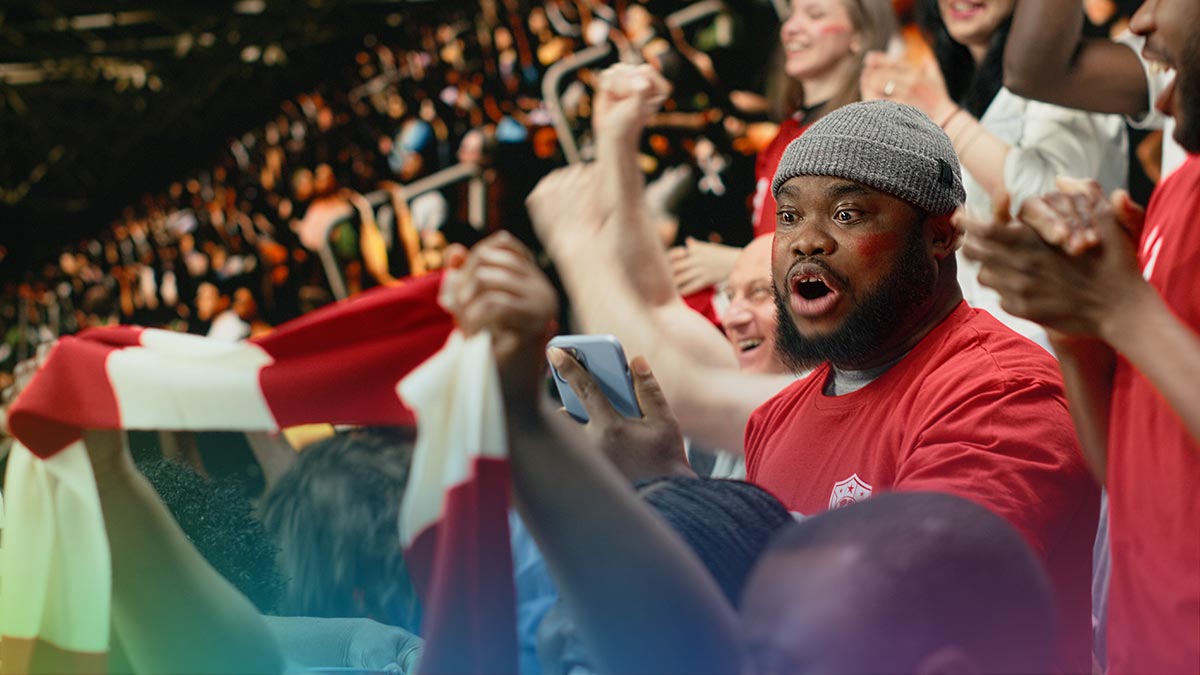
An event fills the district faster than any other day of the year, and every fan arrives with a phone expecting to work the way it does at home — none of it on a network the venue owns:

  • Mobile ticketing and contactless entry at the gates
  • High-definition streaming and social sharing from the seat
  • Mobile ordering and cashless payment on the concourse
challenges-stadium-2

The other 360 days

Residents, guests and visitors

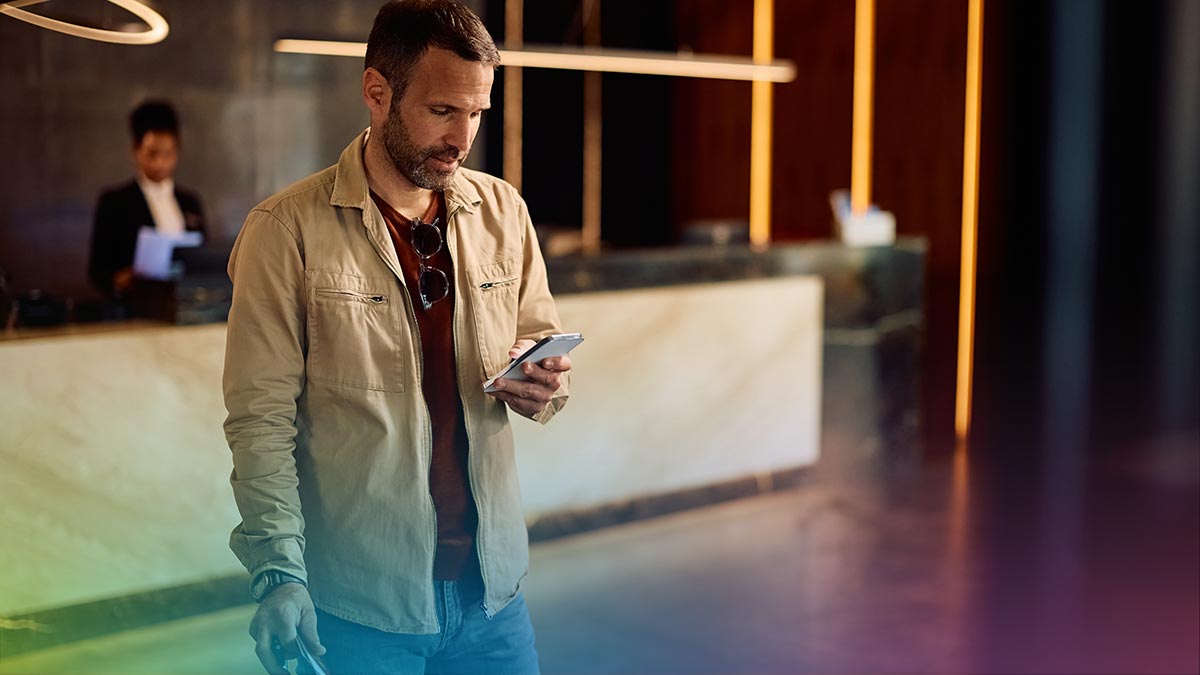
Most days there is no event and the district still fills, and a district marketed on connectivity is judged on the signal in the elevator, the garage and on the twelfth floor:

  • Residents streaming across apartments, amenities and parking
  • Office tenants and hotel guests from lobby to upper floors
  • Ride-hail and wayfinding in structured and below-grade parking
challenges-stadium-3

Operations & safety

The people who run the venue and district

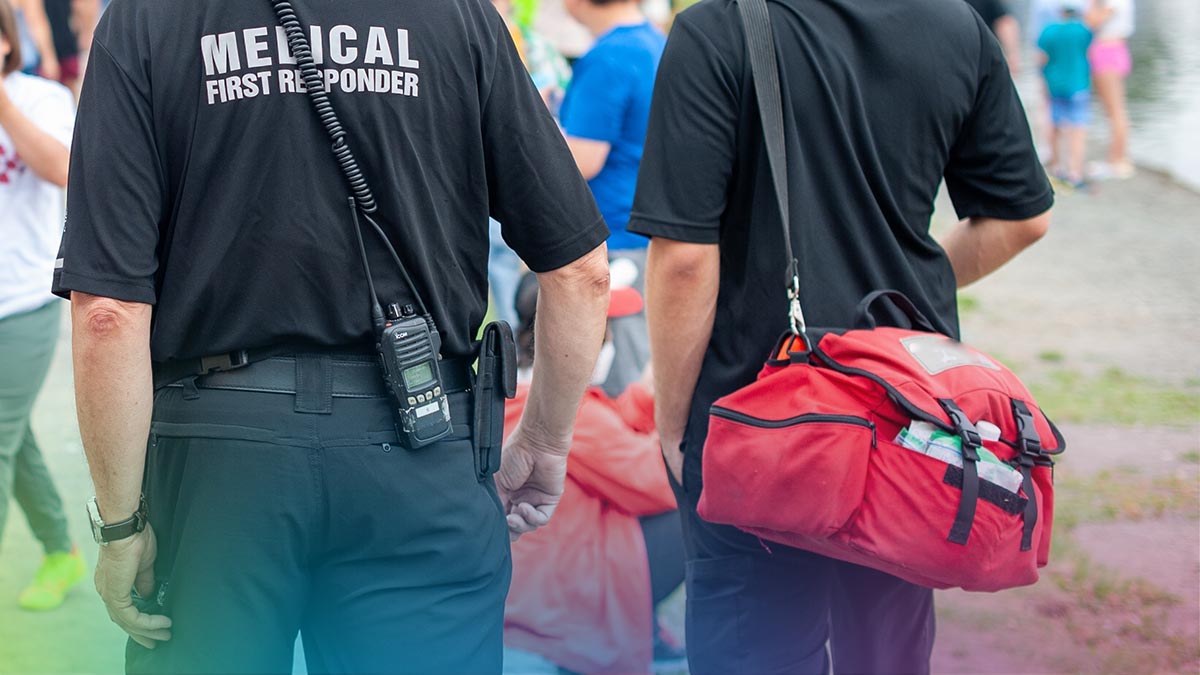
Staff, security, engineers, vendors and first responders work the parts of the district built to stop a signal, at full crowd on event day and alone in the garages after hours:

  • Cellular push-to-talk and public-safety comms, including below grade
  • E911 and mass notification across a packed, multi-building district
  • Lone-worker duress in empty garages and corridors after hours

Deployments

Trusted in the most demanding venues and districts

  • Stadiums and ballparks

  • Arenas and indoor venues

  • Stadium-anchored mixed-use districts

  • Convention and entertainment centers

  • Hotel, residential and office towers within the district

  • Structured parking and transportation hubs

Case studies

Proven at the world's biggest venues and districts

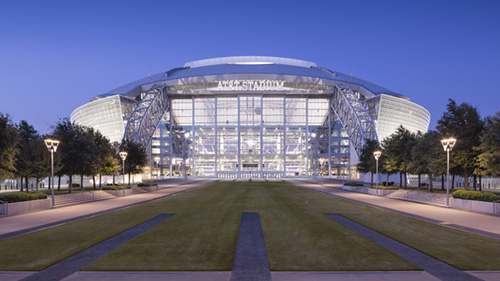
AT&T Stadium

AT&T Stadium

ANDREW facilitated the design and build of the world's largest in-building wireless network at the Dallas Cowboys' NFL stadium — the first all-digital DAS with all-digital operator connectivity.

Read the case study ›

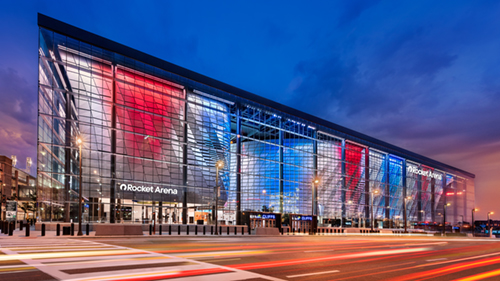
Exterior of Rocket Arena in Cleveland

Rocket Arena

ANDREW helped create a frictionless wireless experience for hometown fans of the Cleveland Cavaliers.

Read the case study ›

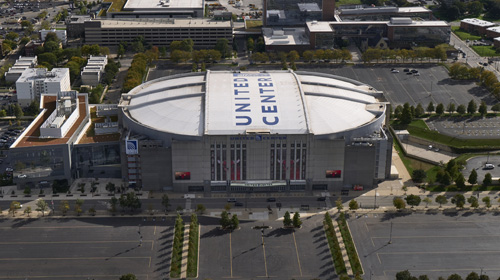
United Center in Chicago

United Center

ANDREW helped this legendary Chicago sports and entertainment venue upgrade its legacy infrastructure to support 5G networks.

Read the case study ›

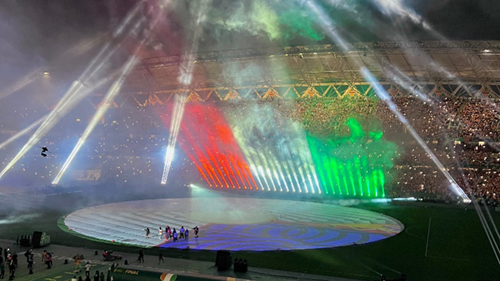
Ivory Coast stadium during AFCON 2024

Ivory Coast Stadiums

ANDREW and LEADCOM/STA helped Orange Ivory Coast deliver a superior fan experience at AFCON 2024.

Read the case study ›

The ANDREW advantage

Why ANDREW?

Unmatched experience

ANDREW all-digital solutions power the world's biggest venues and stadium districts — including AT&T Stadium, the first all-digital DAS with all-digital operator connectivity — from a single arena to a stadium-anchored district.

Complete portfolio

Our comprehensive offering for stadiums, arenas and entertainment districts spans the ERA® DAS platform, ONECELL® in-building small cells and expert design and support.

Future-focused

Partnering with ANDREW means wireless technology built for long-term simplicity, efficiency and sustainability — through 5G and beyond.

Featured solutions

Indoor cellular solutions for venues and districts

illuminated-stadium-ss-2751195221

Bring cellular indoors

ANDREW brings reliable, high-capacity 4G/5G inside with DAS and small cells, adding coverage and capacity across the bowl, concourses, suites, parking and the towers of the district.

Explore indoor cellular solutions ›

stadium-safety-ss-2461858683

Create safer buildings

ANDREW indoor solutions deliver the reliability and redundancy security teams and first responders need across a packed venue and district.

Explore building safety solutions ›

Featured resources

Explore stadium and district connectivity

pdf-cover-stadium

Brochure · CO-200823-EN

Stadiums and entertainment in-building wireless

See how ANDREW delivers reliable, high-capacity 4G/5G across stadiums, arenas and entertainment districts.

Download brochure ›

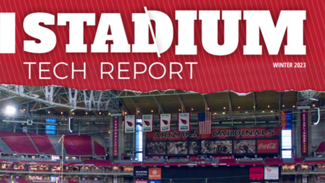
Stadium Tech Report

Article

Stadium Tech Report

How ANDREW handled record-setting 5G traffic at State Farm Stadium for Super Bowl LVII.

Read the report ›

Frequently asked questions

Stadium and arena cellular coverage FAQs

Answers about indoor signal, DAS, small cells, carriers, Wi-Fi and high-capacity event coverage.

Why doesn’t outdoor 5G reach inside a stadium or district?

The macro network was built to cover ground, not to punch through a packed district. A stadium is one of the hardest RF environments there is — a steel-and-concrete bowl, tens of thousands of bodies absorbing signal, premium levels deep in the building, and glass towers and structured parking around it. Adding towers outside fixes neither the obstacle nor the capacity.

What’s the difference between a DAS and a small cell — and which do we need?

A DAS distributes every operator's network across the venue and the district on one shared system; a small cell adds focused cellular capacity in a specific area. ANDREW offers both — the ERA® DAS platform and ONECELL® in-building small cells — and helps match the right approach, or a combination, to your venue and district.

Will it support all our carriers?

Yes. ANDREW's platform is one infrastructure, approved by global operators, carrying public cellular, private networks and public safety from pre-4G through 5G.

Do we still need Wi-Fi?

Yes — they do different jobs. Every venue and building runs Wi-Fi for ticketing and point-of-sale, building systems, and guest and resident networks. A DAS or small cell brings the operators' cellular networks to every fan, resident, worker and responder on any carrier, with nothing to join — and only cellular carries E911 that knows where the caller actually is, Wireless Emergency Alerts to every device in the venue and public-safety communications.

Can it handle a hundred thousand phones at once?

Yes — the bowl needs cellular capacity built for the moment a full house reaches for the network at once. The platform is engineered for capacity, not just coverage, so mobile ticketing, streaming and payments hold up on a sold-out night — and the district's everyday users stay covered the other 360 days.

Is this proven, or are we the test case?

Proven. ANDREW's all-digital DAS is operating at scale today — including AT&T Stadium, the first all-digital DAS with all-digital operator connectivity — on more than a decade of digital deployments, and is first to connect all three major U.S. operators, across every major RAN vendor, digitally on one DAS.

Take your connectivity to the next level.

Let’s discuss how ANDREW can help get you there.